
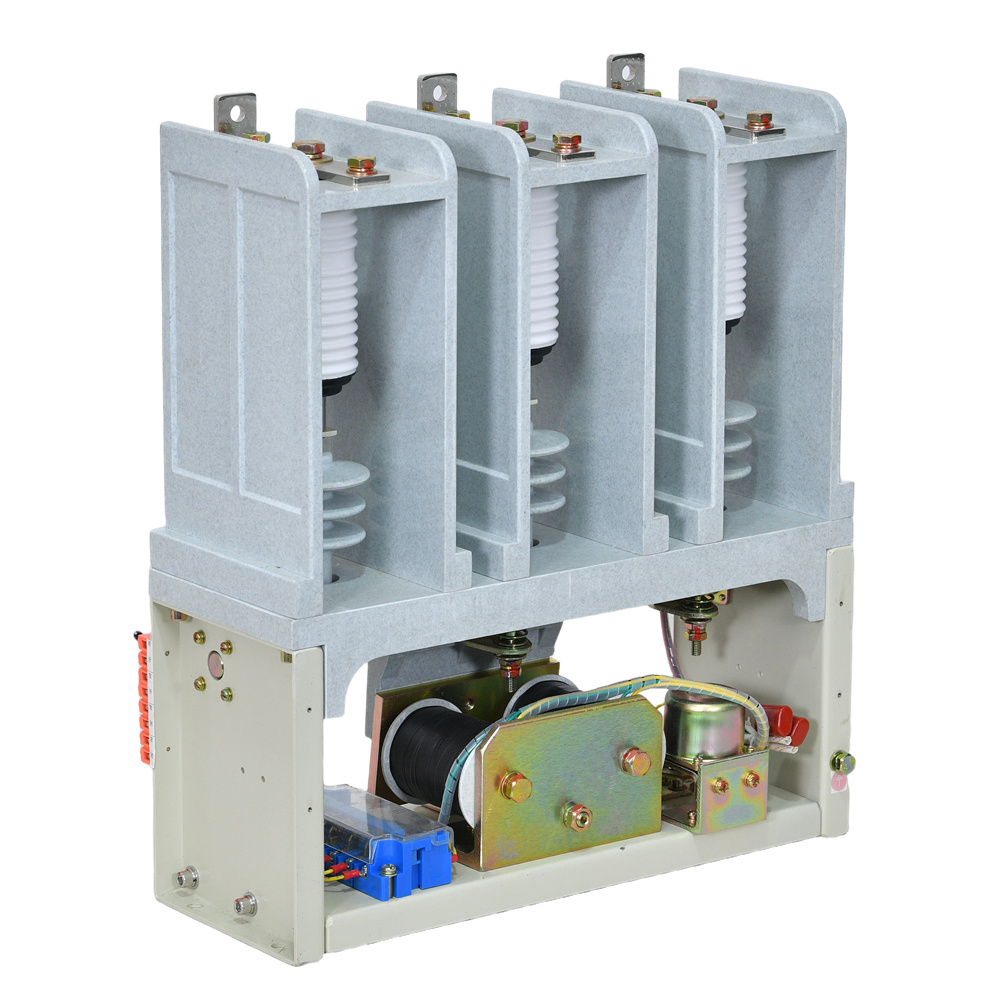
When Should You Inspect Switchgear Fittings for Wear and Tear?
Industry Background and Market Demand
Switchgear is a critical component in electrical power distribution, ensuring safe operation by isolating faults and protecting equipment. As industries increasingly rely on uninterrupted power supply, the demand for reliable switchgear has grown. Aging infrastructure, rising energy consumption, and stricter safety regulations further drive the need for regular inspections.
Wear and tear in switchgear fittings—such as contacts, insulators, and mechanical linkages—can lead to failures, posing safety risks and operational downtime. Proactive inspection helps prevent catastrophic failures, reducing maintenance costs and extending equipment lifespan.
Core Concepts: Understanding Switchgear Fittings
Switchgear fittings include components like circuit breakers, disconnect switches, busbars, and protective relays. These parts are subject to mechanical stress, electrical arcing, and environmental factors, leading to gradual degradation.
Key wear indicators include:
- Contact Erosion: Arcing during operation wears down conductive surfaces, increasing resistance.
- Insulation Deterioration: Moisture, heat, and contaminants degrade insulating materials.
- Mechanical Fatigue: Repeated operation weakens springs, latches, and linkages.
Product Structure, Materials, and Manufacturing
Switchgear fittings are designed for durability, using materials such as:
- Copper or Silver Alloys for contacts (high conductivity, arc resistance).
- Epoxy or Porcelain for insulation (thermal and dielectric strength).
- Stainless Steel or Aluminum for structural components (corrosion resistance).
Manufacturing processes include precision machining, vacuum casting for insulation, and rigorous testing (dielectric withstand, mechanical endurance). High-quality fittings undergo accelerated aging tests to simulate long-term wear.
Key Factors Affecting Performance and Lifespan
Several factors determine when inspections are necessary:
1. Operational Frequency – High-cycle applications (e.g., industrial plants) require more frequent checks.
2. Environmental Conditions – Humidity, dust, and temperature extremes accelerate wear.
3. Load Characteristics – Frequent overcurrents or short circuits strain components.
4. Maintenance History – Past issues may indicate recurring weaknesses.
Supplier Selection and Quality Assurance
Choosing reliable suppliers ensures long-term performance. Key criteria include:
- Certifications (ISO, IEC, ANSI compliance).
- Material Traceability – Verified alloy compositions and insulation grades.
- Testing Protocols – Third-party validation of mechanical and electrical endurance.
Common Industry Challenges
1. Undetected Wear Leading to Failures – Many facilities rely on reactive rather than preventive maintenance.
2. Inconsistent Inspection Standards – Lack of clear guidelines results in overlooked defects.
3. Cost vs. Reliability Trade-offs – Some operators delay inspections to minimize downtime, increasing long-term risks.
Inspection Best Practices and Case Studies
Recommended Inspection Intervals
- Annual Checks – For stable, low-load environments.
- Semi-Annual or Quarterly – In harsh conditions or high-usage facilities.
- Post-Fault Inspections – After any abnormal operation (e.g., short circuits).
Case Example: Industrial Plant Downtime Prevention
A manufacturing facility experienced repeated breaker failures due to worn contacts. Implementing infrared thermography and contact resistance testing every six months reduced unplanned outages by 40%.
Future Trends in Switchgear Monitoring
1. Predictive Maintenance with IoT – Sensors track real-time wear indicators (temperature, vibration).
2. Advanced Diagnostics – AI-assisted analysis of historical failure patterns.
3. Eco-Friendly Materials – Bio-based insulators and recyclable metals.
FAQ: Common Questions on Switchgear Inspections
Q: How do I know if switchgear contacts need replacement?
A: Measure contact resistance; a 20% increase from baseline indicates excessive wear.
Q: Can visual inspections alone detect wear?
A: No—supplement with thermographic scans and dielectric tests for hidden issues.
Q: What’s the biggest mistake in switchgear maintenance?
A: Ignoring minor irregularities, which often escalate into major failures.
Conclusion
Regular inspection of switchgear fittings is essential for operational safety and efficiency. By understanding wear mechanisms, adopting structured maintenance schedules, and leveraging emerging monitoring technologies, businesses can optimize performance while minimizing risks.
(Word count: 1,280)
Telefon: +8613736779975
E-posta: sales@vcbbreaker.com
Waters: 66 Road, Iconient Economic Development Development Zone, Zheji, Çin
Telif Hakkı © 2025 Eberry Electric Group Tüm hakları saklıdır
Bu web sitesi, web sitemizde en iyi deneyimi yaşamanızı sağlamak için çerezleri kullanır.

 English
 Español
 Portugues
 Pусский
 العربية
 Indonesia
 Tiếng Việt
 қазақ
қазақ فارسی
فارسی українська
 беларускі
 Filipino
 o'zbek
 български
 тоҷикӣ
 kiswahili
 Монгол
 አማራ
አማራ Ilocano



 Telefon
Yorum
(0)