
 English
 Español
 Portugues
 Pусский
 العربية
 Indonesia
 Tiếng Việt
 қазақ
қазақ فارسی
فارسی українська
 беларускі
 Filipino
 o'zbek
 български
 тоҷикӣ
 kiswahili
 Монгол
 አማራ
አማራ Ilocano
single-phase reactive load control
Single-Phase Reactive Load Control Single-phase reactive load control is a critical aspect of power management in electrical systems, particularly in applications where inductive or capacitive loads introduce reactive power. Unlike active power (measured in watts), which performs useful work, reactive power (measured in VARs) oscillates between the source and the load, increasing line losses and reducing system efficiency. Effective reactive load control helps improve power factor, enhance voltage stability, and optimize energy consumption in single-phase systems. Key Principles Reactive power arises in single-phase systems due to phase differences between voltage and current caused by inductive (e.g., motors, transformers) or capacitive (e.g., capacitors, electronic devices) loads. Poor power factor (PF) results in higher apparent power (kVA), leading to increased current flow, higher losses, and potential penalties from utilities. Reactive load control aims to mitigate these issues by compensating for reactive power through: 1. Power Factor Correction (PFC): - Passive PFC uses fixed or switched capacitors to offset inductive reactive power. - Active PFC employs electronic circuits (e.g., boost converters) to dynamically adjust compensation. 2. Voltage Regulation: - Reactive power affects voltage levels; proper control stabilizes voltage, especially in weak grids. 3. Load Balancing: - While single-phase systems lack phase balancing, reactive control ensures optimal current distribution. Control Methods 1. Static Var Compensation (SVC): - Uses capacitors and reactors switched via thyristors to provide fast reactive power adjustment. 2. Static Synchronous Compensator (STATCOM): - A voltage-source converter (VSC) injects or absorbs reactive power dynamically for precise control. 3. Smart Inverters: - In renewable energy systems, inverters regulate reactive power to support grid stability. Applications - Residential & Commercial: Improves efficiency in HVAC systems, lighting, and appliances. - Industrial: Reduces losses in small motors, welding machines, and single-phase machinery. - Renewable Integration: Ensures grid-friendly operation of single-phase solar/wind systems. Benefits - Energy Savings: Lower line losses and reduced electricity bills. - Grid Support: Enhanced voltage stability and compliance with utility PF requirements. - Extended Equipment Life: Reduced stress on transformers and cables. Challenges - Cost vs. Benefit: Small-scale systems may not justify advanced compensation. - Harmonics: Non-linear loads require additional filtering. Conclusion Single-phase reactive load control is essential for efficient power utilization. By deploying appropriate compensation techniques, systems can achieve higher power quality, reduced operational costs, and improved reliability. Future advancements in smart grid technologies will further enhance reactive power management in single-phase networks.
ürün
sınıflandırma:
-
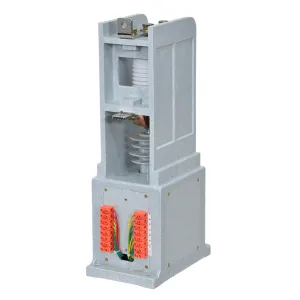
Kondansatör Bankı için VKG1-12 Tek Kutuplu Kontaktör
Sınıflandırmaları: Vakum KontaktörüGörünümler: 1472Sayı:Bırakma süresi: 2025-09-05 09:32:14JCZ7(G)12kV 400A Vakum KontaktörüBu orta gerilim vakum kontaktörleri serisi, mükemmel kesme performansı sağlayan, metal çerçeve ve yalıtım destekleriyle birlikte yüksek kaliteli vakum kesiciler kullanır. 6KV(7.2KV) ve 10KV(12KV)'nin altındaki tek fazlı veya iki fazlı güç ağı sistemleri için uygundurlar ve uzun mesafeli anahtarlama ve kesintiye, sık başlatmalara ve dirençli, endüktif ve kapasitif yüklerin kontrolüne olanak tanırlar. JCZ1 serisi tek kutuplu orta gerilim vakum kontaktörü, sinyal kaynağı ark bastırma, harmonik nötr topraklama ve yük kutuları gibi güç koruma uygulamalarında yaygı...
Haber
sınıflandırma:
Arama sonucu yok!
Dava
sınıflandırma:
Arama sonucu yok!
Video
sınıflandırma:
Arama sonucu yok!
İndir
sınıflandırma:
Arama sonucu yok!
İşe Alım
sınıflandırma:
Arama sonucu yok!
Önerilen ürünler
Arama sonucu yok!



 Telefon